

How the Seasons Can Impact Your Jaw
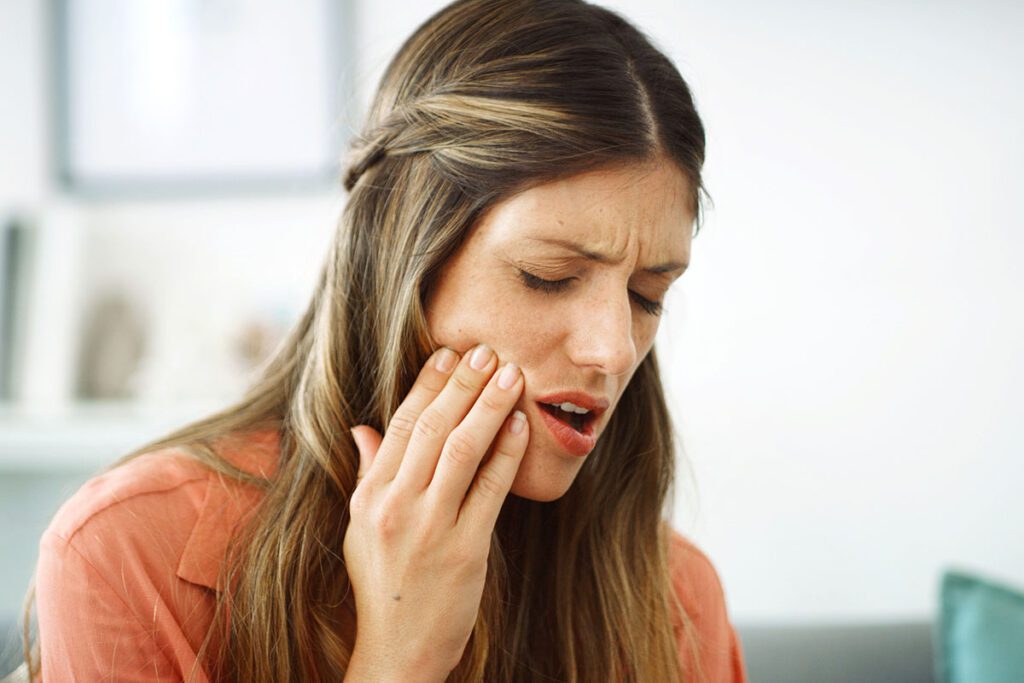
As winter settles over North Bergen, many people notice an increase in various aches and pains, including an often-overlooked discomfort: jaw pain. If you’re experiencing jaw pain North Bergen residents commonly report during the colder months, you’re not alone. At Nick Romanides DMD, we frequently hear from patients who notice their jaw discomfort intensifies when temperatures drop. Understanding the connection between cold weather and jaw pain can help you take preventive measures and find relief during the chilly season.
Why Does Cold Weather Affect My Jaw?
The relationship between cold weather and jaw pain is more significant than many people realize. When temperatures drop, our bodies naturally tense up as a response to the cold. This tension often manifests in the muscles of the face, neck, and jaw, leading to soreness and discomfort. Additionally, cold air can cause muscles and joints to contract, reducing flexibility and increasing stiffness in the temporomandibular joint (TMJ), which connects your jawbone to your skull.
People who already have TMJ disorders or tend to clench their teeth may find their symptoms worsen in winter. The cold can also make existing inflammation more noticeable and painful, as reduced blood flow to the area can slow healing and increase sensitivity.
What Are the Main Causes of Winter Jaw Pain?
Several factors contribute to increased jaw pain during cold weather:
- Muscle Tension and Clenching: Cold temperatures cause us to unconsciously tense our facial muscles and clench our jaws, especially when we’re shivering or trying to stay warm. This constant tension can lead to muscle fatigue and pain.
- Tooth Sensitivity: Cold air can trigger tooth sensitivity, which may cause you to alter your bite or clench your teeth, putting additional strain on your jaw muscles and joints.
- Reduced Physical Activity: During winter, many people are less active, which can lead to overall muscle stiffness, including in the jaw area.
- Stress and Holiday Tension: The winter months often bring increased stress from holidays, travel, and year-end responsibilities. Stress is a major contributor to teeth grinding and jaw clenching, both of which exacerbate jaw pain.
- Sinus Pressure: Cold weather can increase sinus congestion and pressure, which can radiate to the jaw area and create discomfort that mimics or compounds actual jaw pain.
How Can I Prevent Jaw Pain in Cold Weather?
Prevention is key when it comes to managing jaw pain North Bergen residents experience during winter. Here are some effective strategies:
- Keep Warm: Bundle up when going outside, and consider wearing a scarf that covers your lower face to protect your jaw from direct exposure to cold air.
- Practice Relaxation Techniques: Stress management through meditation, deep breathing, or yoga can help reduce unconscious jaw clenching.
- Apply Warm Compresses: Gently applying a warm, moist compress to your jaw can help relax tense muscles and improve blood flow to the area.
- Maintain Good Posture: Poor posture, especially when hunched against the cold, can contribute to jaw tension. Be mindful of keeping your shoulders back and your head aligned with your spine.
- Stay Hydrated: Even in cold weather, proper hydration helps maintain muscle function and can reduce cramping and tension.
When Should I See an Orthodontist About Jaw Pain?
While occasional jaw discomfort during cold weather is common, persistent or severe jaw pain warrants professional attention. You should schedule an appointment with an orthodontist if you experience:
- Pain that lasts more than a few weeks
- Difficulty opening or closing your mouth
- Clicking, popping, or grinding sounds when moving your jaw
- Headaches or earaches accompanying jaw pain
- Swelling or tenderness around the jaw joint
- Changes in how your teeth fit together
At Nick Romanides DMD, Dr. Nick Romanides and Dr. Ryan Trulby specialize in diagnosing and treating jaw-related issues. They can evaluate your symptoms, determine the underlying cause of your jaw pain, and recommend appropriate treatment options, which may include orthodontic appliances, bite adjustments, or other therapeutic approaches.
What Treatment Options Are Available?
Treatment for jaw pain varies depending on the cause and severity. Options may include custom mouthguards to prevent teeth grinding, orthodontic treatment to correct bite alignment, physical therapy exercises, or lifestyle modifications. In some cases, simple changes like adjusting your sleep position or modifying your diet during cold weather can provide significant relief.
Let’s Find the Source of Your Jaw Pain
Don’t let winter weather compromise your comfort. If you’re experiencing persistent jaw pain, contact Nick Romanides DMD today. Our experienced team is here to help you find relief and maintain optimal oral health throughout the year. Your comfort and well-being are our top priorities, and we’re committed to providing personalized care that addresses your specific needs.